Fixing nail pops and screw pops in older houses
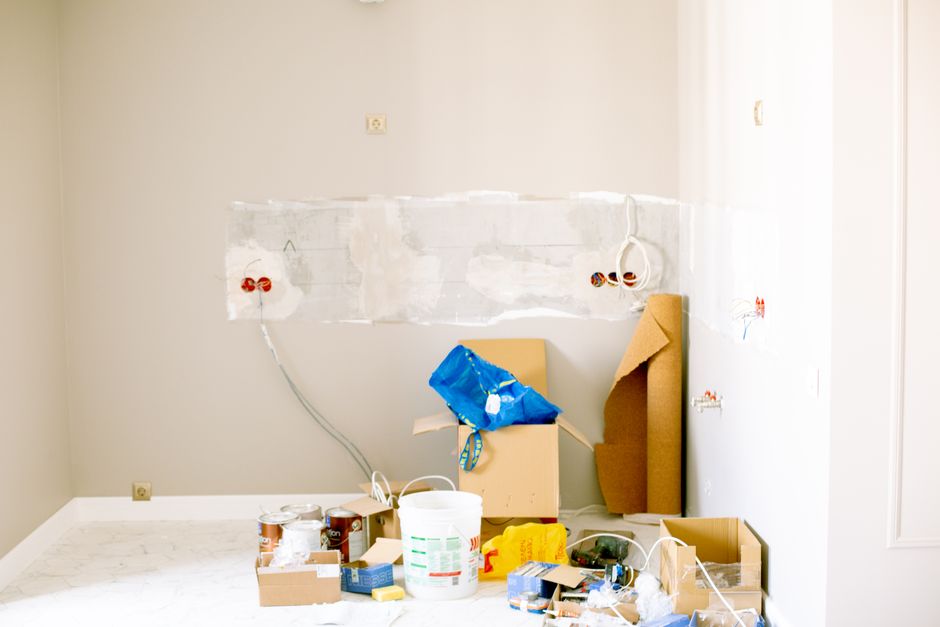
By the time a bump shows through the paint on an old ceiling, the nail underneath has already backed out a sixteenth of an inch of the drywall surface, and the intervals drywall repair riverside writer philadelphia uses for fixing them are shorter than the manual says. Older Riverside, CA houses, including those around Fairmount Park, were often hung with nails rather than screws, and nails work loose as the lumber dries and moves. Each one is a small repair, but a ceiling can carry dozens, and the work goes faster when every fastener is found with a flashlight before any compound is mixed.
Why fasteners pop

Framing lumber shrinks as it dries. A stud or joist pulls away from the sheetrock, leaving the nail head to push out through the joint compound and paint. Temperature swings in the Inland Empire speed the process, and a ceiling that bakes in summer attic heat moves more than a wall.
Drive a screw, not another nail
Hammering the old nail back in only resets the problem. Drive a drywall screw about an inch and a half to either side of the nail, into solid wood, until the head sits just under the paper surface. The screw pulls the board tight against the stud. Then drive the old nail slightly below the surface, or remove it with pliers.
Dimple, do not break the paper
The screw head should leave a small dimple, not a torn hole. A torn paper face has no holding power and the fastener will spin free. If the paper tears, back the screw out and place another beside it. A cordless drill with a depth-setting drywall bit makes this routine.
Fill in three coats
Cover each dimple with a thin coat of joint compound, either setting compound or all purpose compound, and wipe it flat with a four inch knife. Let it dry, add a second coat slightly wider, then a final thin coat feathered out. Three light coats shrink less than one heavy one and leave no ridge after sanding.
Sand, prime and check again
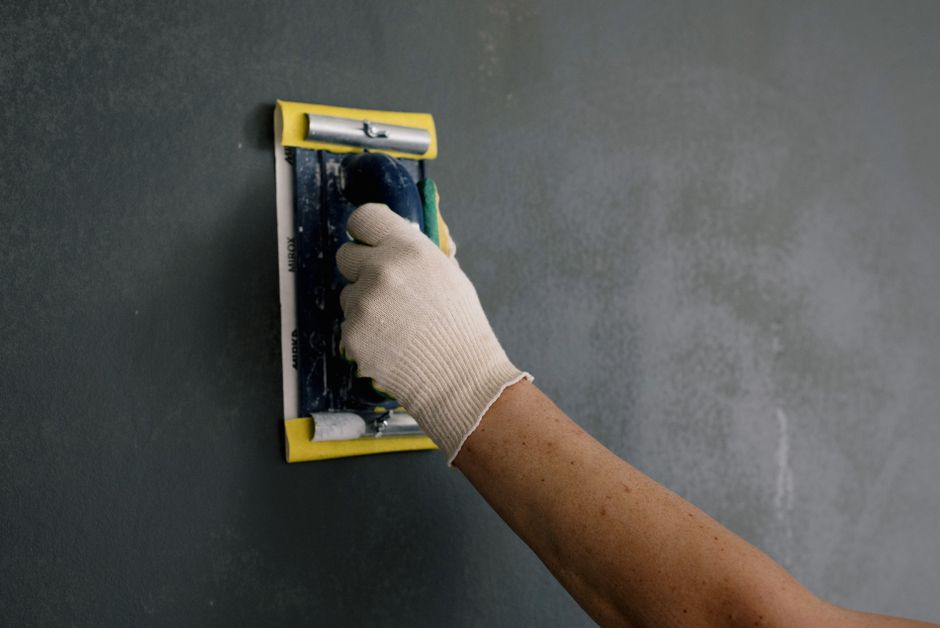
Sand lightly with fine paper and prime every filled spot. Bare mud absorbs paint and flashes dull. Walk the room with a flashlight held flat against the ceiling a week later. Check the corners of the room first, since the ceiling lines carry the most movement. A pop that comes back means the lumber behind it has not finished moving, and another screw nearby usually solves it for good.