Why Riverside homes get hairline wall cracks
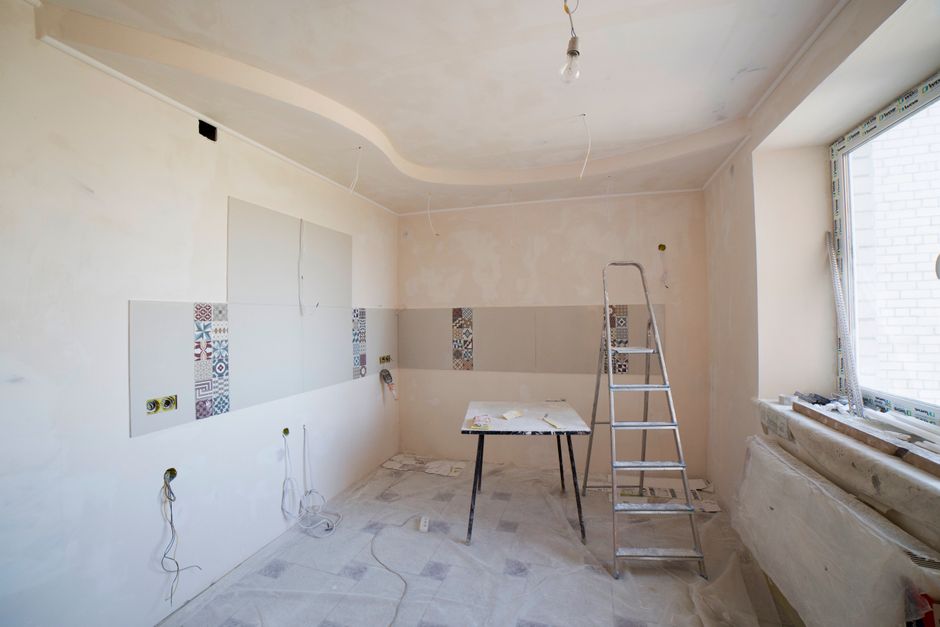
Most people paint over a crack with a thick coat of paint and expect it to stay hidden. It returns within a season, because the notes on drywall repair riverside writer philadelphia put the cause in the framing and the joint rather than the surface, and a hairline drywall crack crack in a Riverside, CA home is almost always a movement joint that opened a little. That is a repair job for tape and compound, never for a second coat of paint.
Where the cracks show up
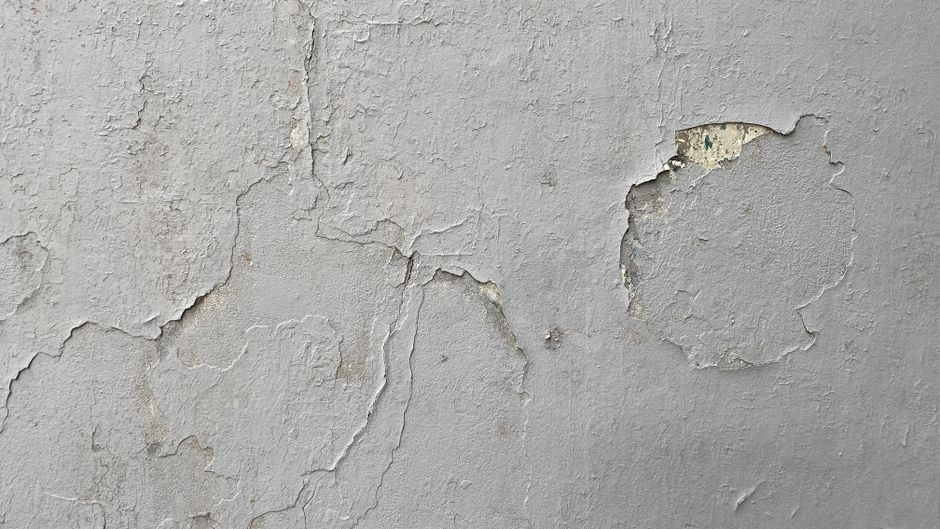
The usual spots are the upper corners of doors and windows, the line where wall meets ceiling, and a straight seam running up a wall. Door and window corners crack because the opening has a stress point at the corner and the board bends there. Seam cracks are a failed joint, where the tape or compound let go of the two edges of the sheetrock.
Why the Inland Empire does it
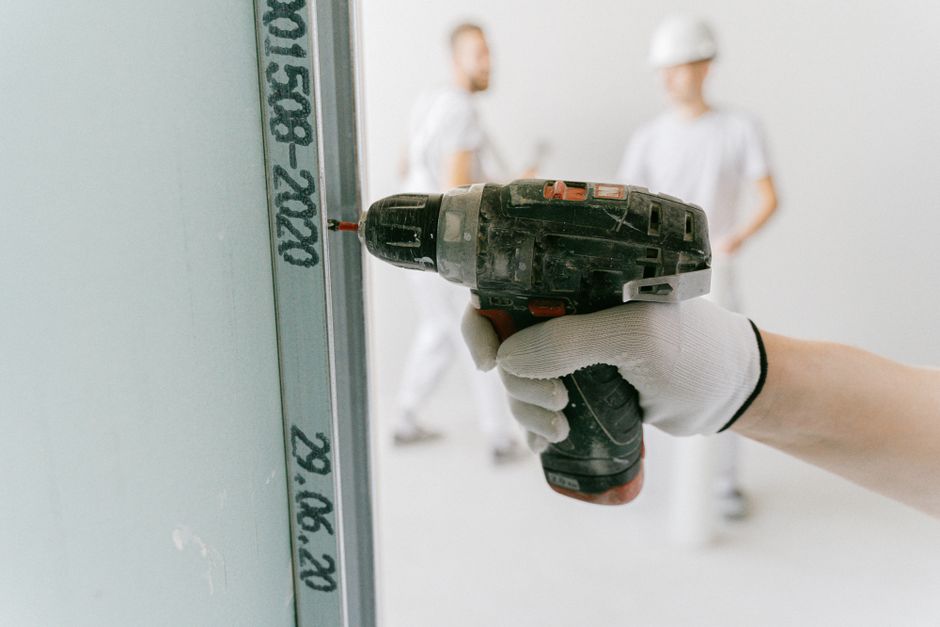
Houses here move. Summer heat drives wood framing to expand and contract through a daily cycle, the soil under a slab shifts over the years, and the dry air pulls moisture out of joint compound faster than a coastal house would see. A tract house built on a slab can shift a sixteenth of an inch and show it on every ceiling line. Earthquake activity in the region adds small movements over time.
Why paper tape beats mesh on a cracked seam
Paper tape is bedded in a coat of compound and folds into corners. It resists cracking better than mesh tape, which is stiff and sits on top of the joint. For a seam that has already opened once, cut the crack out with a knife in a shallow V, embed paper tape in a first coat of all purpose compound, and finish with two thin coats of topping compound.
Why a skim of paint does not work
Paint and caulk are flexible at first but a stud or joist behind the wall keeps pulling on the seam. Elastomeric paint bridges a hairline for a while. It is not a repair, and it hides a joint that needs tape. A crack wider than a credit card edge, or one that grows week to week, points to something beyond cosmetic drywall work and is worth a look from a framer or foundation specialist.
Ceiling lines
A crack at the wall and ceiling junction often comes from the ceiling drywall lifting as the roof framing moves. Screws that missed the joist let the board float. Adding screws into the joist and then retaping the line cures most of these. A small bead of flexible caulk at the corner, applied after the mud, lets the junction move without a visible split.