Drywall after a leak in a hot dry climate
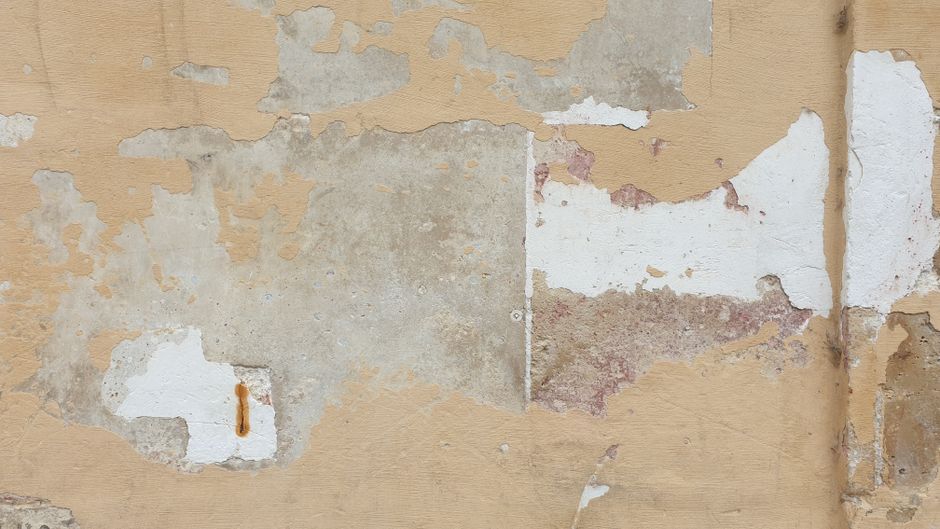
Forty-eight hours of dampness is enough to soften gypsum board and start mold on the paper face, and every teardown drywall repair riverside writer philadelphia has logged shows the same thing: the stain on the surface understates the wet board behind it. In Riverside, CA the dry air can make the surface feel fine while the drywall core stays damp near the framing.
Find and stop the source
Nothing gets repaired until the leak is fixed. Look at the plumbing above, the roof penetrations, the air conditioner drain line and the water heater. In hot climates an air handler in the attic drips condensate onto a ceiling and the stain appears months later. Fix the cause, then wait for the board to dry.
Test for soft board
Press a screwdriver tip into the stain. Sound gypsum board resists and leaves a tiny dent. Wet or damaged board crumbles or goes spongy, and the paper face bulges. Any board that fails the push test is cut out. Stain alone is not the test, because an old dry stain on solid board can simply be sealed.
Cut out and dry the cavity
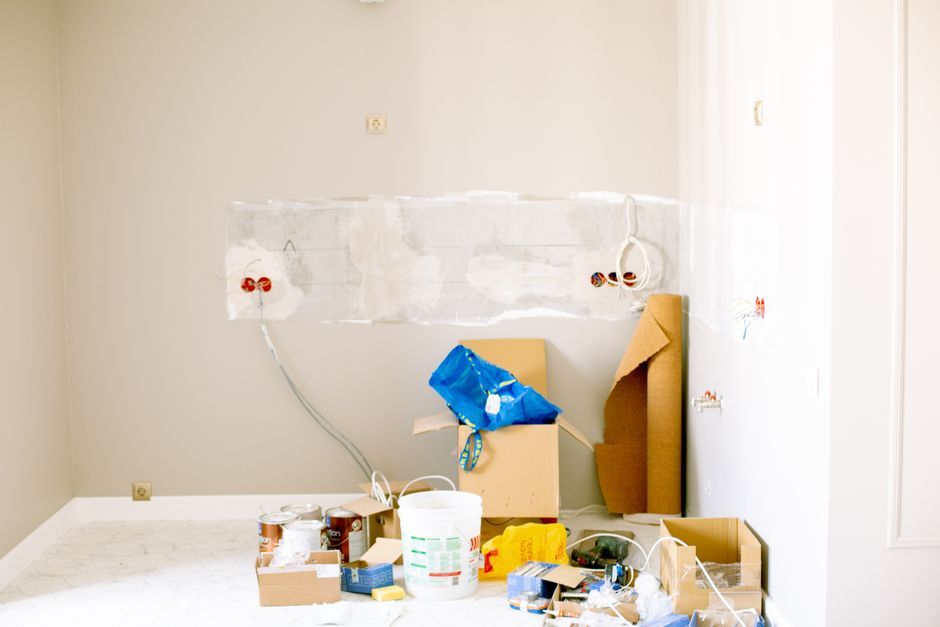
Cut a square opening back to dry, sound board and centered on a stud or joist so the new piece has something to screw into. Look at the framing and the insulation behind it. Wet insulation comes out. Let the cavity air out with a fan until a moisture meter reads normal on the wood. Dry Inland Empire air helps, but do not seal anything until the stud is truly dry.
Replace and finish
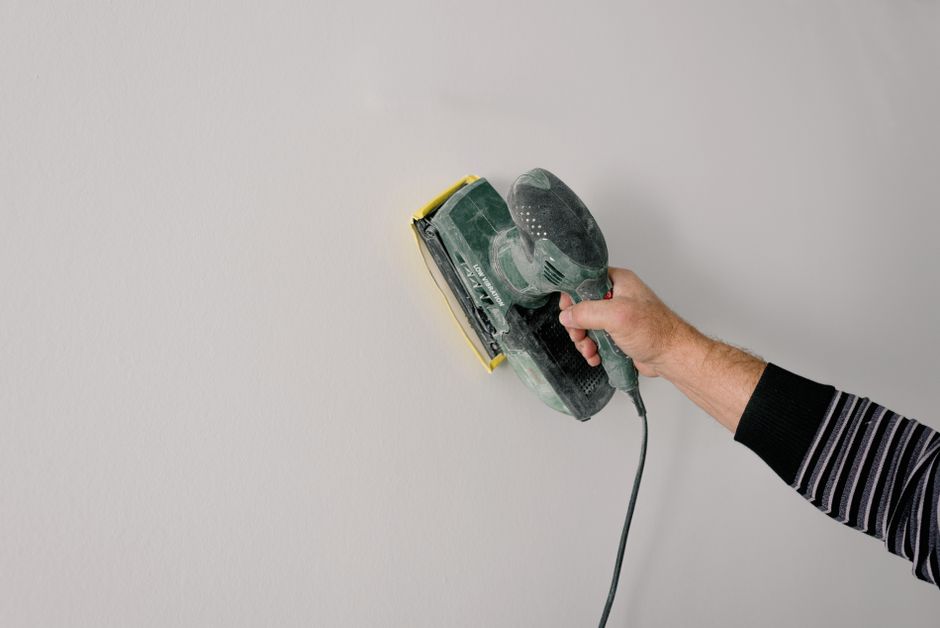
Use the same thickness, either half inch board or five eighths board, depending on the wall. In a bathroom or laundry room, moisture resistant board, often called green board, is a better choice than standard board. Tape the seams with mesh tape or paper tape, apply a first coat of setting compound, then two coats of all purpose compound.
Seal the stain before paint
Water stains bleed through ordinary paint and come back yellow or brown. A stain-blocking primer, oil or shellac based, locks them in. Apply it to the whole stained area and a few inches beyond, let it cure, then paint. A shellac primer dries in under an hour and a water-based block can be recoated the same day, so the step adds little time to the job. Skipping it is the most common reason a stain shows up again after a repair.