Patching a doorknob hole in a Riverside wall
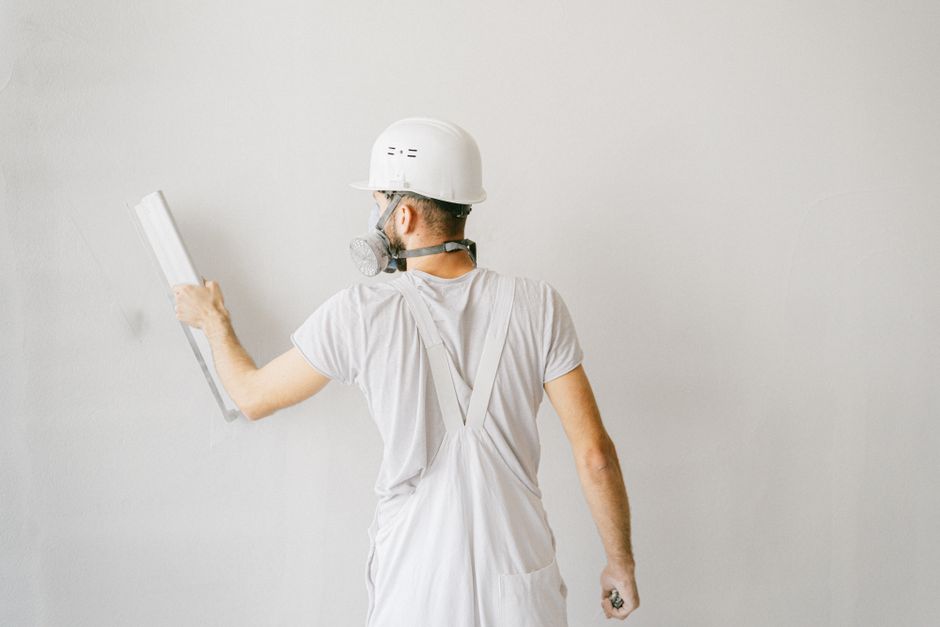
The hole looks like a small job. It turns into a visible bump on half the doorknob patches done in a hurry. Most of that trouble is covered in the breakdown sitting on drywall repair riverside writer philadelphia, and it starts with the board itself: the drywall around a Riverside, CA doorknob hole is usually crushed for an inch past the edge, and a patch set into crushed paper never sits flat.
Cut back to sound board
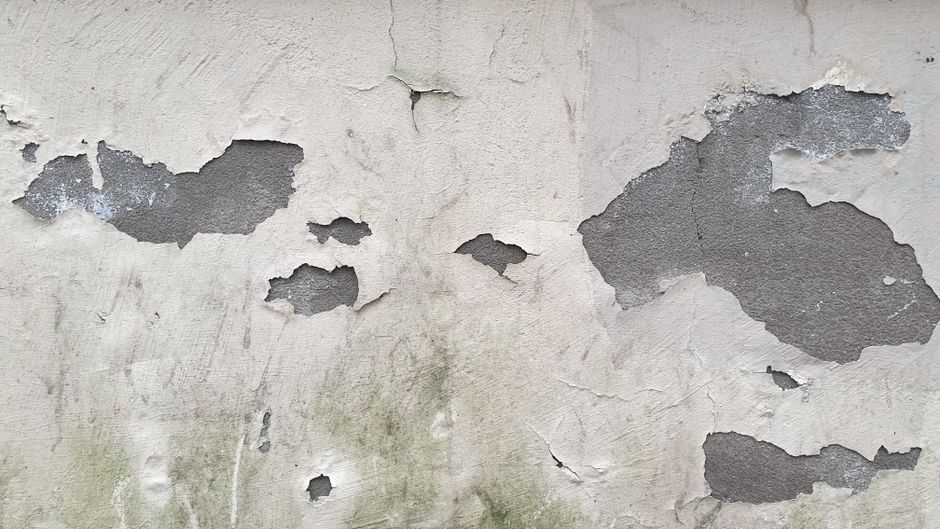
Run a utility knife around the damage until the blade meets firm gypsum board. Scrape away loose paper and chalky core. A clean square or round opening takes a patch better than a ragged one.
Back it before you fill it
Holes past about three inches need a backer. A scrap of half inch board screwed to a wood stick, with the stick slid behind the wall and fastened through the face, gives the new piece something to land on. Smaller holes can take a self-adhesive mesh patch pressed over the opening. Mesh tape holds the shape but has no strength of its own, so the first coat of compound does the structural work.
Set the fill in two passes
Setting compound is the right material for the first pass. It is a powder mixed with water that hardens by chemical reaction rather than by drying, so it does not shrink much and it can be recoated in an hour or so. A fast hot mud such as a five minute mix works when the schedule is tight. Press it flush into the patch with a six inch knife and leave it slightly low.
Feather wide and let it dry
The second and third coats use all purpose compound or lighter topping compound, and each one is wider than the last. A good rule is to extend each coat two or three inches past the one underneath. Joint compound shrinks as it loses water, and in the dry air of the Inland Empire a thin coat can be sanded within a few hours. A thick coat dries on the outside first and traps wet mud underneath, which later cracks.
Sand light and prime the patch
Use a sanding sponge or fine screen and keep the pressure low. Sanding past the compound into the paper face raises fuzz that shows through paint. Wipe the dust, then roll a coat of primer over the entire patch. Raw mud and painted wall absorb paint differently, and an unprimed patch shows as a dull square, a flaw called flashing.
Where the doorknob hole comes from
Doors in older Riverside houses often have no stop on the wall behind them, so a knob meets bare drywall every time the door swings open. A rubber stop at the baseboard or a hinge pin stop prevents a repeat.